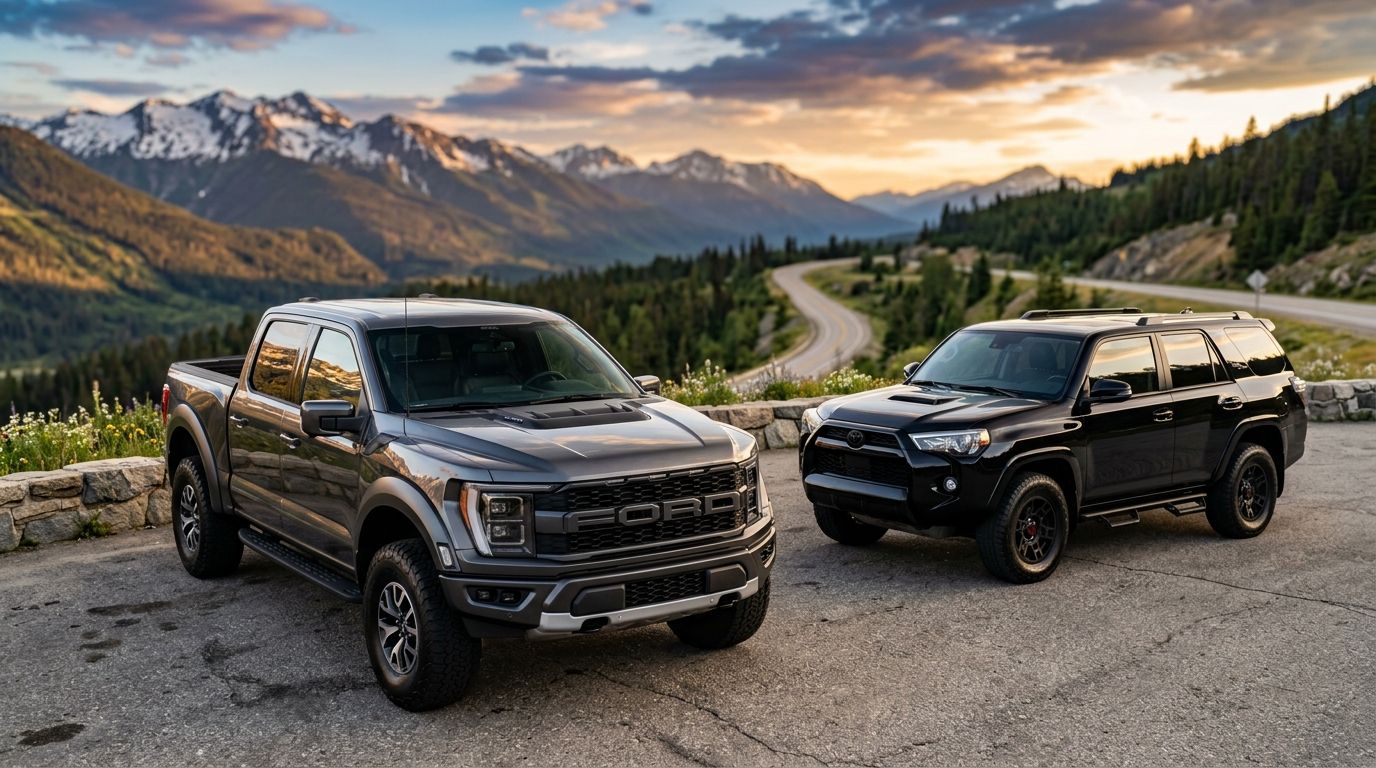
Trucks and SUVs take a different kind of beating than sedans: taller ride height means more road grit hits the lower panels, truck beds see cargo scuffs, and tow rigs pick up rock chips on long highway runs. Best overall: professional ceramic coating with paint correction. Best for tow and off-road vehicles: ceramic coating combined with paint protection film on high-impact panels. Best budget option: DIY ceramic spray coating as a top-up between professional services.
- Professional ceramic coating with paint correction is the best ceramic coating for trucks and SUVs in 2026 for owners keeping the vehicle three-plus years.
- Combine ceramic coating with paint protection film on the hood, fenders, and mirror caps if the truck tows or sees gravel roads.
- Dealer-applied ceramic packages vary widely in quality and rarely include real paint correction first.
- DIY ceramic sprays work as a top-up, not a substitute for a professional application.
Why this matters
A truck or SUV with 60,000+ miles on Florida roads has a different paint history than a garage-kept sedan: more sun exposure, more water spots from sprinklers and rain, more debris kicked up by a higher stance. Slapping any ceramic coating on top of that paint without correcting it first just seals in the damage.
Reflection Pro Services works on trucks and SUVs across the Ocala region and sees the same pattern on nearly every drop-off: oxidation on the hood, swirl marks from automatic car washes, and water spotting on the roof and tailgate. The coating matters less than what happens before it goes on.
What makes the best ceramic coating for trucks and SUVs
- Paint correction included — removing swirls and oxidation before sealing, not after
- Coverage of high-impact areas — hood, mirror caps, rocker panels, tailgate
- Durability of the product line — multi-year professional coatings versus seasonal consumer sprays
- Installer training — a certified applicator versus general shop labor or a spray-and-go kit
- Climate fit — UV and heat resistance for a truck that sits in Florida sun most of the day
- Maintenance load after install — how much upkeep the coating actually needs to perform
Ceramic coating options for trucks and SUVs at a glance
| Option | Best for | Standout feature | Key limitation |
|---|---|---|---|
| Professional ceramic coating + correction | Owners keeping the vehicle long-term | Corrects paint before sealing it | Requires a full day-plus drop-off |
| Ceramic coating + PPF combo | Tow rigs and off-road use | Film absorbs impacts coating can't | More complex, multi-panel install |
| Single-stage professional coating | Newer trucks/SUVs with clean paint | Faster turnaround, still multi-year | Seals in any existing defects |
| Dealer-applied package | Buyers wanting protection day one | No extra scheduling | Quality varies by dealership |
| DIY ceramic spray | Budget top-ups between services | Cheap, apply in your driveway | Lasts months, not years |
1. Professional ceramic coating with paint correction: best overall for trucks and SUVs
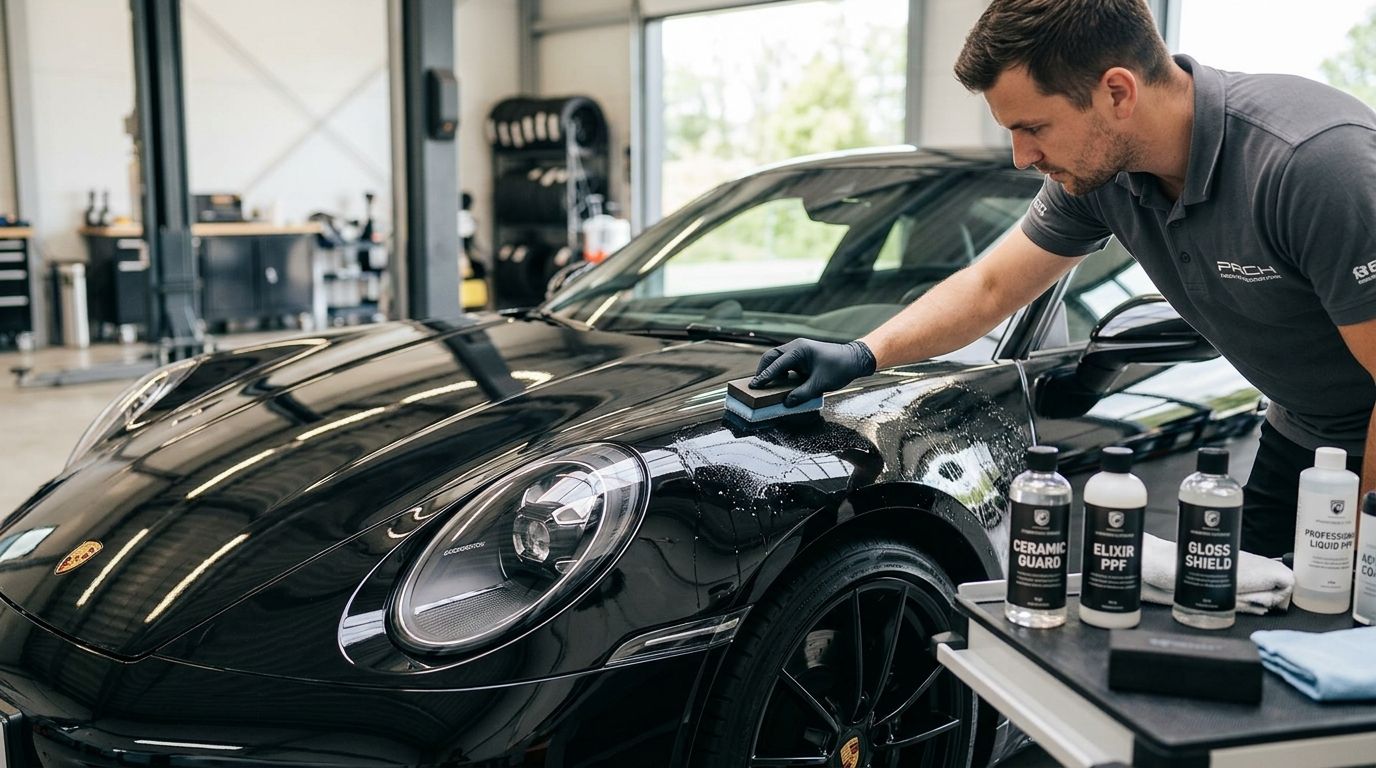
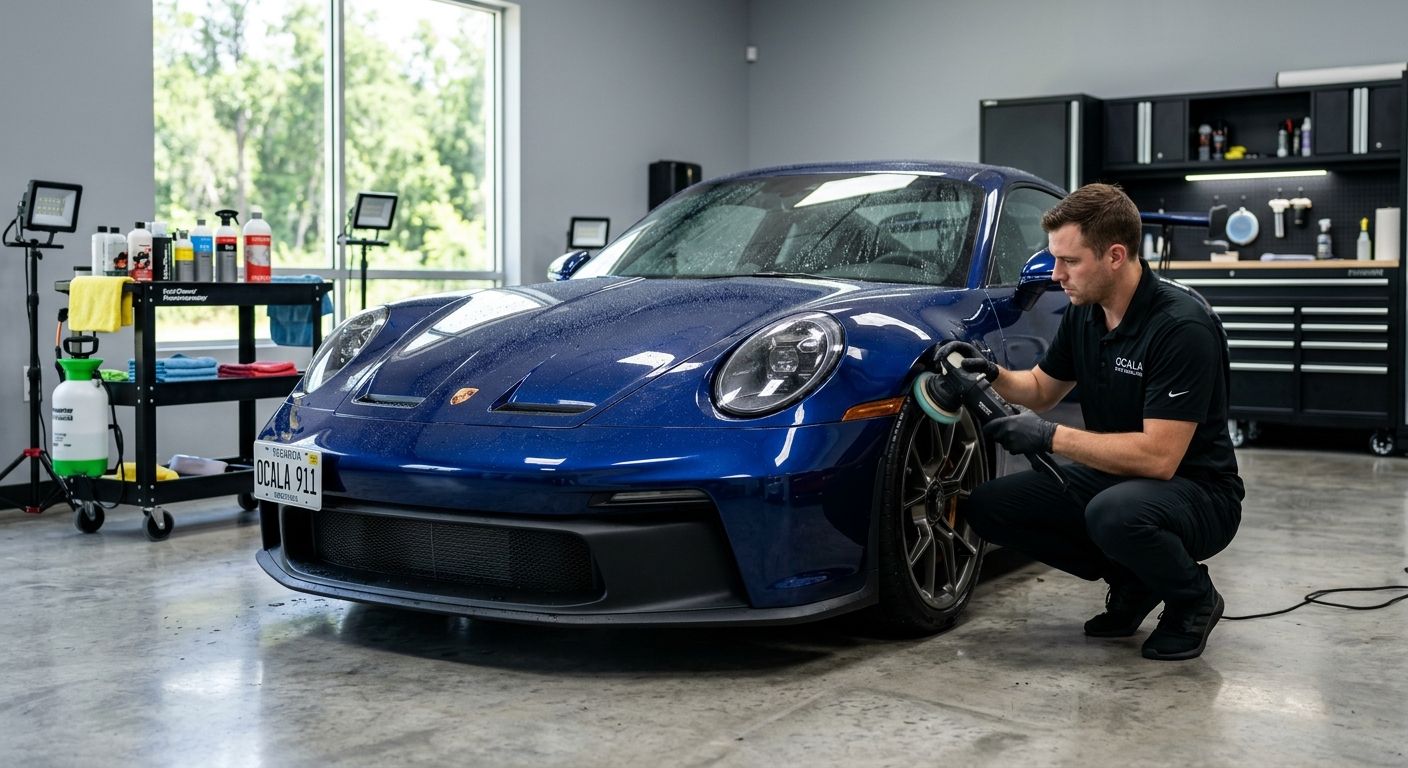
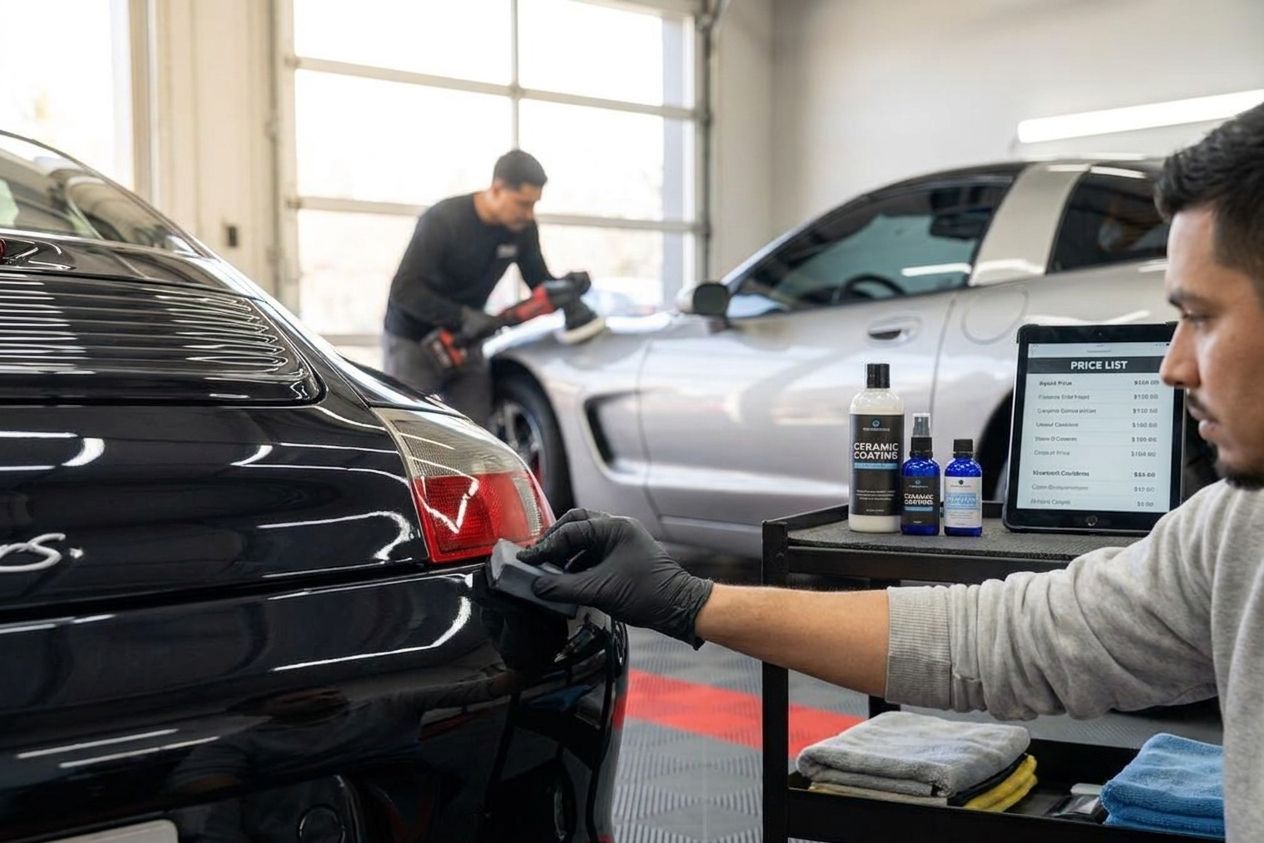
This pairs multi-stage paint correction — cutting out swirl marks, water spot etching, and oxidation — with a professional-grade ceramic coating applied in layers. It's the standard job for a truck or SUV that's been driven daily for a couple of years and shows it.
Ceramic coating pros:
- Removes existing paint defects instead of sealing them in
- Multi-year durability from professional-grade coating lines
- Deep gloss that shows off body lines on trucks and SUVs alike
- Handles Florida's UV and heat load better than consumer sprays
Ceramic coating cons:
- Vehicle needs to sit at the shop for a full day or more
- Higher upfront investment than a spray kit
Best for: owners planning to keep the truck or SUV three years or longer. Verdict: Buy.
2. Ceramic coating + PPF combo: best for tow rigs and off-road SUVs
Ceramic coating goes across the whole vehicle while paint protection film covers the hood, front fenders, mirror caps, and rocker panels — the panels that take the most rock and debris impact on a truck that tows a trailer or an SUV that sees gravel roads.
PPF combo pros:
- Film absorbs rock chips ceramic coating alone can't stop
- Ceramic layer on top keeps the film easier to wash and maintain
- Targets the exact panels that take the worst abuse on a work truck
PPF combo cons:
- More complex install since film is fitted panel by panel
- Film edges need periodic attention over the years
Owners comparing film options should look at how ceramic coating brands compare before deciding which layer goes where. Best for: trucks that tow regularly or SUVs driven on unpaved roads. Verdict: Buy if rock chips are a recurring problem.
3. Single-stage professional ceramic coating: best for newer trucks and SUVs
Applied straight to paint that's already in good shape — common on trucks and SUVs still under about two years old with no real swirl marks or oxidation yet.
Single-stage coating pros:
- Faster turnaround than a full correction-and-coat job
- Still delivers multi-year hydrophobic protection
- Lower labor cost since there's no correction step
Single-stage coating cons:
- Any existing swirls or water spots get locked in, not removed
- Not a fit for a used truck with visible paint wear
Best for: newer truck and SUV owners protecting paint that's still clean. Verdict: Buy, provided the paint gets inspected first.
4. Dealer-applied ceramic coating package: best for day-one protection
Offered as an add-on when you buy the truck, usually applied by dealership detail staff rather than a dedicated coating specialist.
Dealer package pros:
- Convenient — done before you drive off the lot
- No extra scheduling on your end
Dealer package cons:
- Often a lower-grade sealant marketed under the ceramic name
- Little to no paint correction performed beforehand
- Application quality and durability vary widely by dealership
Best for: buyers who want a baseline layer right away and plan to upgrade later. Verdict: Wait — get the coating inspected before assuming it replaces a professional job.
5. DIY ceramic spray coating: best for budget top-ups
Consumer spray or wipe-on ceramic products sold at auto parts stores, applied by the owner in the driveway between professional services.
DIY spray pros:
- Low cost, no scheduling required
- Easy to apply in under an hour
- Good for maintaining beading between professional coating cycles
DIY spray cons:
- Durability measured in months, not years
- No paint correction and no warranty-level protection
- Results depend heavily on prep and application skill
Best for: owners maintaining shine between professional coating applications, not replacing them. Verdict: Hold — use it as a supplement only.
How we ranked these
The ranking weighs how much genuine correction and protection each option delivers against truck- and SUV-specific wear points — tow hitches, higher ride height catching road debris, truck bed edges — rather than sticker price. A coating that seals in swirl marks doesn't outrank one that removes them first, no matter how the product is marketed.
“A truck that gets driven every day needs a coating that can take a beating, not just look good in the driveway.”
Which ceramic coating should you choose for your truck or SUV?
For most truck and SUV owners in 2026, professional ceramic coating with paint correction is the safest default — it fixes what's already wrong with the paint before locking in protection for years, not months. If the vehicle tows, hauls, or spends real time off pavement, add paint protection film to the hood and fenders before the coating goes on top. Dealer packages and DIY sprays both have a place, but neither replaces a full professional job on a vehicle you plan to keep.
Get your truck or SUV coated right
Serving Ocala-area trucks and SUVs with professional paint correction and coating.
FAQ
What's the best ceramic coating for trucks and SUVs in 2026?
Professional ceramic coating applied after paint correction is the best ceramic coating for trucks and SUVs in 2026 because it fixes existing swirl marks and oxidation before sealing the paint. Trucks and SUVs that tow or go off-road benefit from adding paint protection film on the hood and fenders underneath the coating.
Is professional ceramic coating better than a DIY ceramic spray?
Yes, professional ceramic coating lasts years while DIY sprays typically last months and don't include paint correction. DIY sprays work well as a top-up between professional applications, not as a replacement.
How long does ceramic coating last on a truck bed and hood?
Professional-grade ceramic coatings are built for multi-year durability, while consumer spray coatings need reapplication much more often. The hood and truck bed take more UV and impact exposure than vertical panels, so they wear the coating faster than the doors or roof.
Does ceramic coating protect against rock chips?
No, ceramic coating protects against UV damage, water spots, and light surface scratches, but it doesn't stop rock chips. Paint protection film layered under the coating on the hood and fenders is the option that actually absorbs impacts.
Is dealer-applied ceramic coating worth it?
It depends on the dealership; many dealer packages use a lower-grade sealant marketed as ceramic and skip paint correction entirely. Get the paint inspected before assuming a dealer package matches a professional coating job.
Do trucks and SUVs need paint correction before ceramic coating?
Yes, if the paint already has swirl marks, oxidation, or water spot etching, coating over it seals those defects in permanently. Newer trucks and SUVs with clean paint can sometimes skip straight to a single-stage coating.
Can ceramic coating handle Florida heat and UV exposure?
Professional ceramic coatings are formulated to resist UV breakdown and heat better than wax or sealant, which matters for a truck parked outside in Florida sun most of the day. Consumer spray coatings break down faster under the same conditions.
Should SUVs get interior protection along with exterior ceramic coating?
Interior protection is a separate service from exterior ceramic coating and addresses different surfaces like leather, plastic trim, and fabric. Owners hauling kids, gear, or pets in an SUV often pair the two so the whole vehicle gets covered, not just the paint.
One last thing
The panel that fails first on a coated truck usually isn't the hood — it's the lower rocker panels and rear bumper, where road spray and mud sit against the paint the longest after every drive. If a coating job skips those areas to save time, the truck looks great from the side and takes damage exactly where it can't be seen until it's already there.